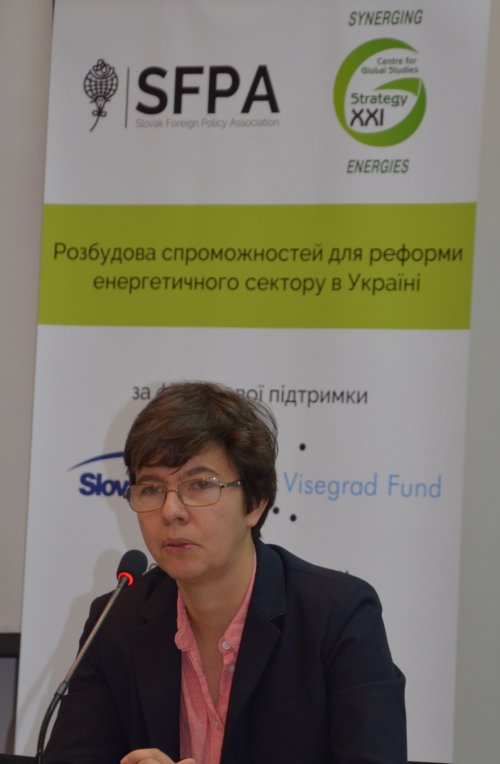
As usually, president of the Centre for Global Studies "Strategy XXI", Mykhailo Gonchar, officially opened the seminar and introduced to Hungarian expert Zsuzsanna Pató, senior researcher at the Regional Centre for Energy Policy Research (Budapest).
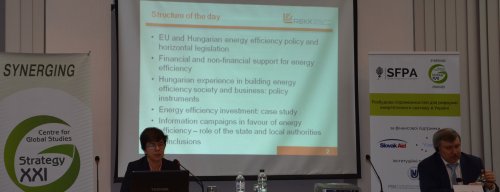
Zsuzsana Pato had a well-structured presentation and touched upon the following topics:
· EU and Hungarian energy efficiency policy and horizontal legislation
· financial support for energy efficiency
· Hungarian experience in building “energy efficiency society and business”: enforcement instruments
· energy efficiency investments: case study – modernization of district heating system in Kaposvár
· information campaigns in favour of energy efficiency – role of the state and local authorities
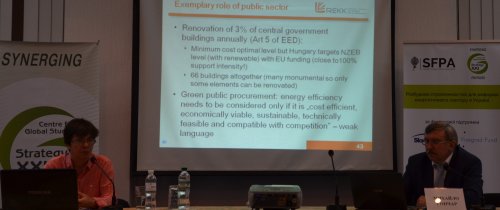
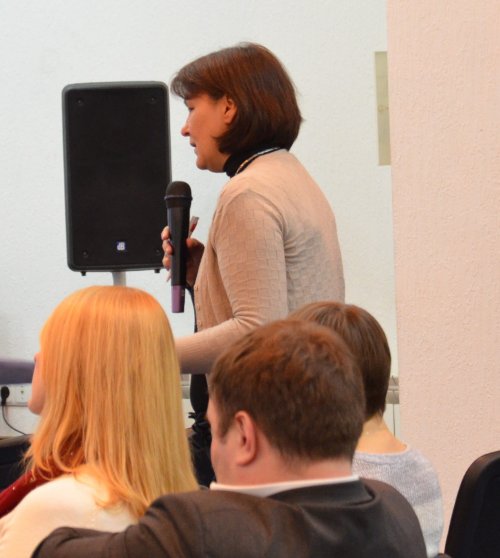
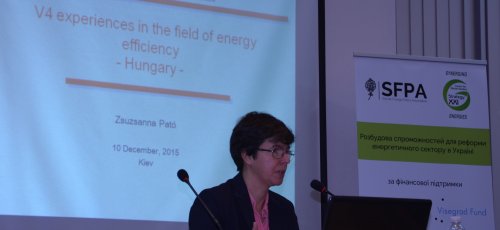 Given valuable experience in research and policy assessment activities, gained by working for Hungarian and foreign institutions, including UNEP, UNDP and FAO, Zsuzsanna Pato presented development of national energy efficiency legislation when harmonizing with the EU energy acquis and challenges of local scale.
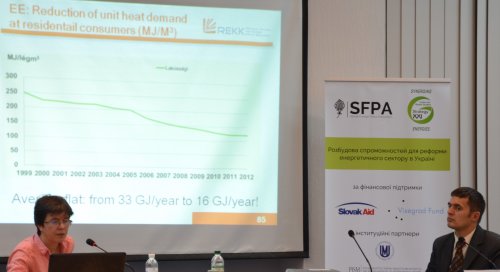
Speaking about financial support opportunities, she stressed the importance of experienced project managers and comprehensive governmental policies. She also mentioned, that Hungary failed to utilize significant part of the EU cohesion funds in recent years, thus limiting effects of those support instruments of the EU.
She stressed that the state has to implement a comprehensive program to create conditions for energy efficiency measures. It should include administrative norms and limits, economic incentives in form of taxes, certificates, informational labelling and awareness raising, as well as voluntary agreements and movements.
She mentioned Kaposvár as one of the most interesting and successful projects, where a comprehensive approach was introduced and implementation of sustainable action plan is taking place with the aim to achieve completely renewable energy supply by 2050.
The audience was made acquainted with peculiarities of information campaigns as well as with elements of governmental policies, which made a negative effect on social attitude toward energy efficiency, in particular, populistic measures to reduce energy prices.
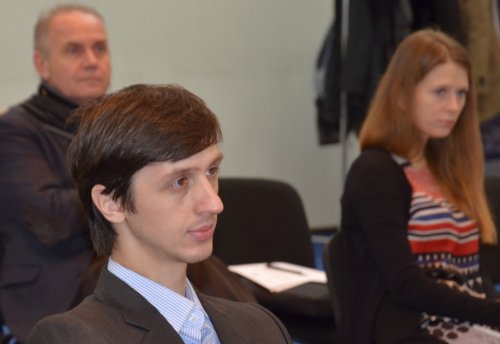
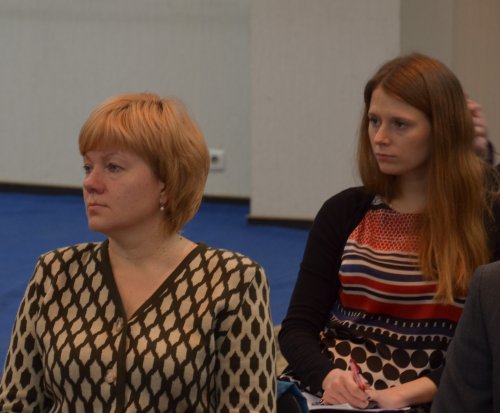
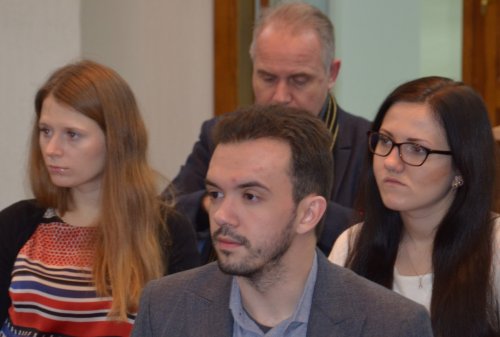
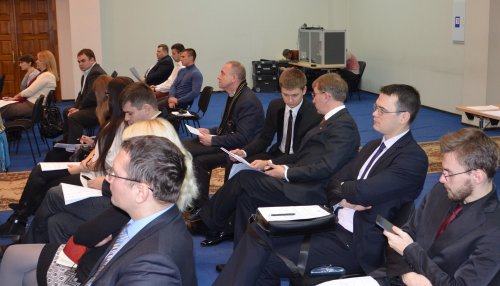
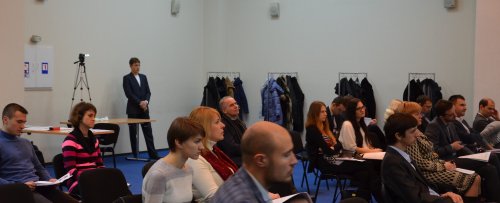
Representatives of ministries and government agencies and the expert have discussed lively peculiarities of regulation on national and local level, exchanged views on best practices and reasons of success or failure due to external and internal reasons.
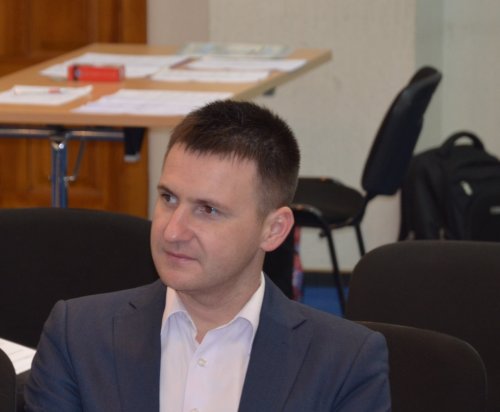
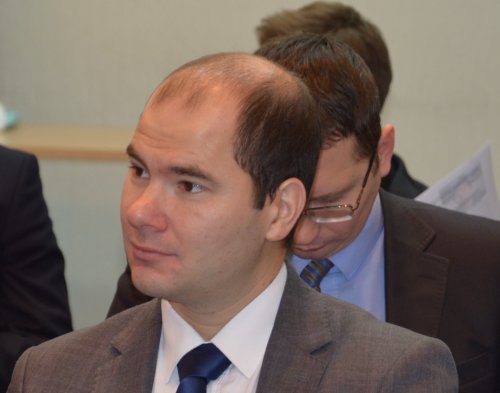
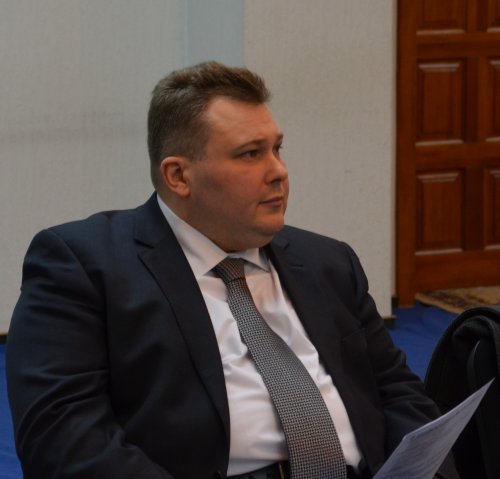
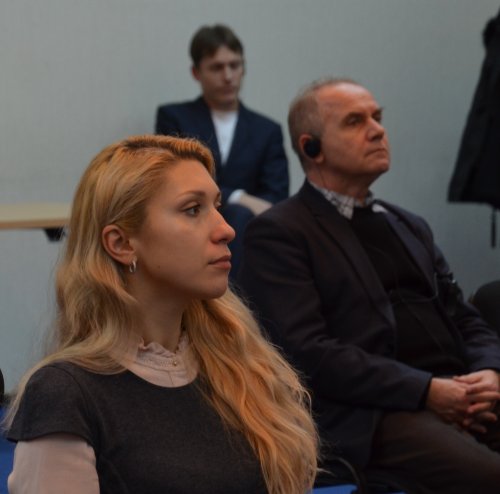
Expert team and participants continued in the productive discussions about Hungarian and Ukrainian energy market and challenges of future developments with regard to energy consumption even after the event.