


The EU has set for five priorities of its foreign policy: strengthening security and defense; investing into state and societal resilience to the East and the South; integrated approach to conflicts and crises; support and assistance to cooperative regional orders; strengthening global governance, based on international law. EU Global Strategy first year implementation results will be discussed by leaders of the EU in June 2017.
Centre for Global Studies “Strategy XXI” initiated in April 2017 an expert survey on changes, appeared in Ukraine-EU relations within bilateral and multilateral (Eastern Partnership) dimensions, role of Ukraine in common foreign policy vision of the EU, how Ukraine’s interests are taken into consideration, what are the perspective directions for further security cooperation between Ukraine and the EU. The survey has been conducted among Ukrainian experts.
32 experts from different regions of Ukraine participated in the survey. Assessing the EU Global Strategy on security and foreign policy issues, respondents divided into three nearly equal groups (Fig. 1). 34,4 per cent responded that the Strategy became a way to stronger and more effective foreign and security policy of the EU, 37,5 per cent – answered negatively and 28,1 per cent had no answer to this question. It might be a follow-up of the lack of information from Brussels on progress in the EU Global Strategy implementation.
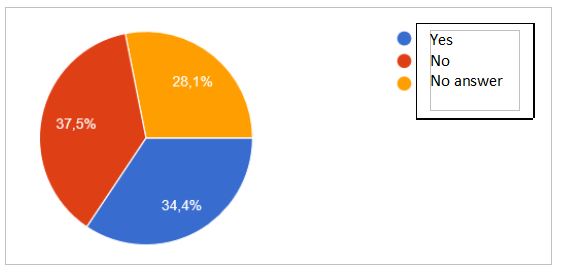
Fig.1. Does the EU Global Strategy become a way to stronger and more effective foreign and security policy of the EU?
Regarding security issues, most of experts – 59,4 per cent – do not estimate the EU as a global security provider, able to counteract modern threats (Fig.2). Positive response has been obtained from 18,8 per cent of respondents, the rest have either not answered this question or provided own answer.
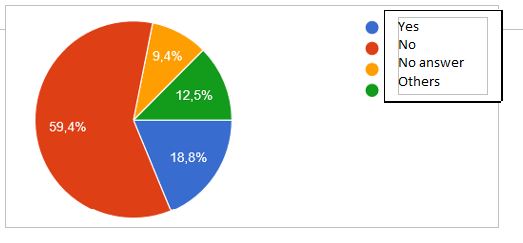
Fig.2. Does the EU play a role of global security provider, able to counteract modern threats?
The experts evaluated as insufficient the level, to which interests of Eastern Europe and Black Sea regions were taken into consideration in the EU Global Strategy (Fig.3). 75 per cent of respondents answered, that the Strategy includes only few interests of these regions, while 21,9 per cent estimate the regions as not included in the proper manner into the EU Global Strategy.
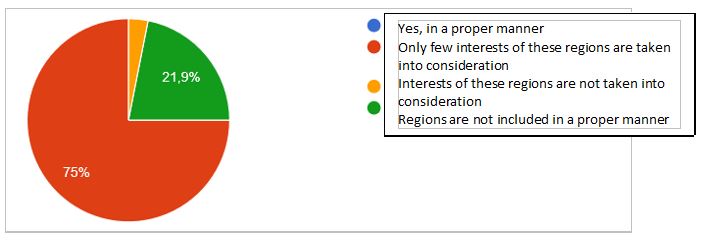
Fig.3. Do the regions of Eastern Europe and Black Sea taken into consideration in a proper manner in the EU Global Strategy?
The EU Global Strategy does not give answer to the issues of further enlargement of the EU. It was stated by 53,1 per cent of respondents (Fig.4). However, one four of experts (25 per cent) believe, that this EU foreign policy document will stimulate further enlargement. 15,6 per cent consider the document as a factor of detergence, and only 3 per cent – total cancelation of enlargement.
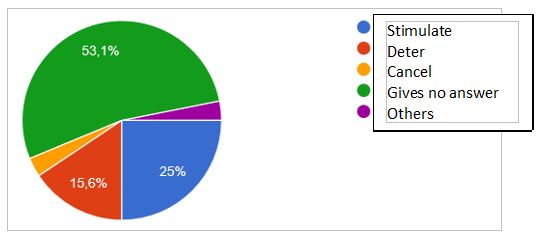
Fig. 4. Please evaluate impact of the EU Global Strategy on perspectives of further EU enlargement
18,8 per cent of respondents think, that after adoption of the EU Global Strategy no changes were indicated in relation between the EU and Ukraine (Fig.5). 56,3 per cent of respondents have similar opinion, saying that the Strategy has only confirmed existing format of relations between the EU and Ukraine. Positive corrections were seen by 15,6 per cent and negative by 9,4 per cent of respondents.
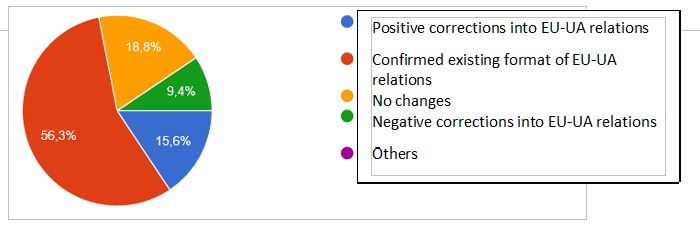
Fig. 5. Please evaluate impact of the adopted EU Global Strategy on relations between Ukraine and the EU
A half of respondents (50 per cent) consider that the EU Global Strategy gives no answer to the question about the role and status of Ukraine in Euro Atlantic security system (Fig.6). One four (25 per cent) believe, that the Strategy provides for perspectives of Ukraine’s integration into the EU and NATO. An opposite view – no perspectives of the EU and NATO integration – is shared by 18,8 per cent of respondents.
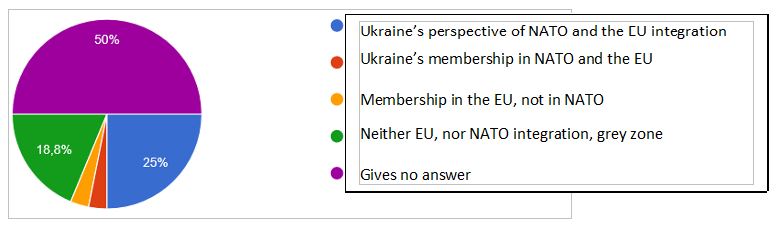
Fig. 6. How the EU Global Strategy forms the role and status of Ukraine in the context of cooperation with partners (NATO and others)?
At the same time, most of respondents (75 per cent) estimate the EU Global Strategy only as the option for cooperation, but not a future membership perspective. (Fig.7).
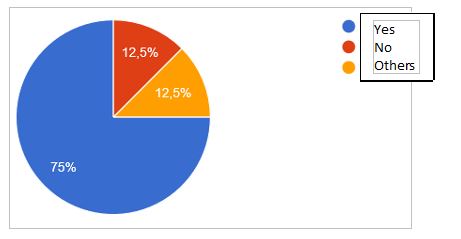
Fig.7. Do you think, that the EU Global Strategy provides only option for cooperation, but not a future membership perspective for Ukraine?
It is evident, that the lack of information made it difficult for most of experts – 56,3 per cent – to evaluate, whether Ukrainian authorities have taken into consideration the EU Global Strategy by European integration activities (Fig.8). Number of negative answers is more than twofold higher (28,1 per cent), as number of positive answers (12,5 per cent).
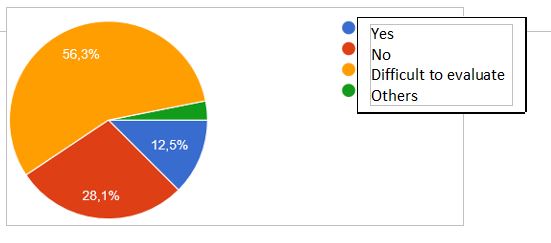
Fig. 8. Have the Ukrainian authorities taken into consideration by European integration activities the adopted in June 2016 EU Global Strategy?
Level of Ukraine’s integration into the Common Foreign and Security Policy of the EU mostly positive estimation (Fig. 9): 46,9 per cent of respondents estimate it as suitable and minimum sufficient; 18,8 per cent – integration corresponds with actual possibilities of the EU and Ukraine. Insufficient level of integration was indicated by 28,1 per cent of respondents.
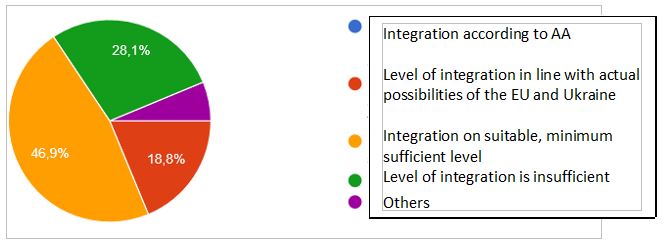
Fig. 9. Please evaluate the level of Ukraine’s integration into the Common Foreign and Security Policy of the EU.
According to the experts, the most successful spheres of cooperation in security issues between the EU and Ukraine are (Fig.10): energy security (53,1 per cent); reform of security sector (40,6 per cent); countering illegal migration (31,3%). Conflict resolution regarding Russian-Ukrainian conflict were positively evaluated only by 12,5 per cent of respondents.
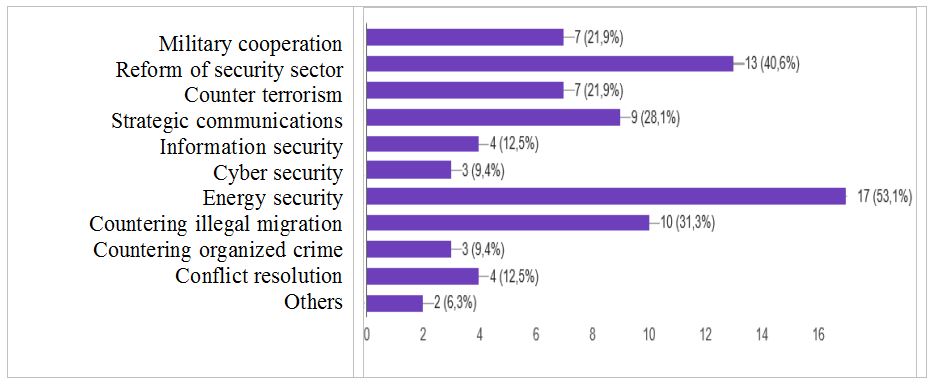
Fig. 10. Please count the most successful spheres of cooperation in security sector between the EU and Ukraine.
Ukrainian experts consider as the first priority directions by foreign and security cooperation between Ukraine and the EU energy security (17,5 per cent) and information security (16,2 per cent). Second group of priorities: military interaction and participation at EU operations (12,5 per cent); countering illegal migration (10 per cent); cyber security (8,7 per cent); countering hybrid aggression (7,5 per cent). The third important group: reform of security sector (5 per cent); military and technical cooperation (5 per cent); countering terrorism (5 per cent). The less important directions for development of cooperation between Ukraine and the EU are: ecological security; countering organized crime; science and education; countering corruption; social security; cooperation in other regions; sustainable development.


