


Since the beginning of the Russian aggression against Ukraine in 2014, the geopolitical and security situation in Eastern Europe and in Europe as a whole has changed. For more than three years, it has not improved and even had a tendency to gradual aggravation that was proved in autumn 2017, during the Russian-Belarusian Zapad-2017 (“West-2017”) military exercise. A security vacuum emerged after the collapse of the security system in Eastern Europe, despite continued (sometimes demonstrative) efforts of the OSCE, the EU, NATO and even the UN.
This situation is threatening the security in Europe, because, as noted Grygorii Perepelytsia, Director of the Foreign Policy Research Institute at the international conference "Regional Security in Eastern Europe. Place and Engagement of Ukraine" (held on November 14, 2017, Kyiv) [2], a state, which controls the Eastern European region, controls entire Europe, and therefore security of the whole European continent depends on addressing security issues in Eastern Europe. While the European Union is striving to have a safe neighborhood, Russia is trying to re-establish its dominance in the region to strengthen its own influence in Europe. Therefore, according to Vladislav Inozemtsev, Russian political scientist, Senior researcher at the Polish Institute for Advanced Studies, Russia has been and remains the main provocateur of instability in Eastern Europe since the 1990s, which it perceives as a historical zone of its interests, being the main initiator of conflicts in Ukraine, Georgia and Moldova and hindering their integration into the Euro-Atlantic space.
Absence of Security in Eastern Europe: Causes and Factors
The key factor of radical changes of the security situation in Eastern Europe is the war unleashed by Russia against Ukraine. It is a view of the majority of experts from Ukraine and other countries of Central and Eastern Europe, who assessed the security situation in the region within the survey conducted by the Centre for Global Studies “Strategy XXI” in partnership with the Konrad-Adenauer-Stiftung Office Ukraine in October-November 2017 [3].
Two thirds of respondents – 68.8 per cent - considered that the annexation of Crimea by Russia was the primary factor that influenced the security situation in Eastern Europe for the last 10 years (several answers were allowed). Among other main factors experts also mentioned: the war in Georgia in 2008 (56.3 per cent); the unleashed by Russia war in Donbas (37.5 per cent); Putin’s speech at the Munich Security Conference in 2007 (31.3 per cent); unclear EU policy to the East (25 per cent); separation of Kosovo (18.8 per cent); refusal to give MAP to Ukraine and Georgia at the NATO Bucharest Summit in 2008 (18.8 per cent).
Today, the security situation in Eastern Europe is determined by a large number of ongoing conflicts (Crimea, Donbas, Transnistria, Abkhazia, South Ossetia, Nagorno-Karabakh), militarization of the territories occupied by Russia, violated territorial integrity of Ukraine, Moldova, Georgia and Azerbaijan, and the ongoing aggressive policy of the Russian Federation. According to surveyed experts (several answers were allowed), the main current problems for the security in the region are: annexation of Crimea by Russia (56.3 per cent); protracted conflicts (43.8 per cent); Russian invasion of Donbas (43.8 per cent); unstable domestic political situation in some Eastern European countries (37.5 per cent); uncontrolled by governments / occupied territories (25 per cent); militarization of the region (25 per cent); bureaucratization of the EU and NATO institutions (18.8 per cent); information warfare (18.8 per cent). The majority of surveyed experts (68.6 per cent) estimated that the key cause of deterioration of the security situation in the region was Russia’s aggressive policy, while 12.5 per cent mentioned weakness of key international organizations - the UN, OSCE and CoE (Fig.1).
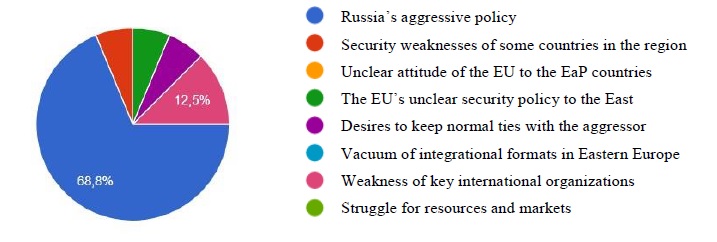
Fig.1. What is the key cause of the deterioration of the security situation in Eastern Europe?
The Russian aggression against Ukraine is based on the Russian military force, which certainly lies at the heart of destabilization of the region. For example, as Belarusian political observer Roman Jakovlevski noted at the above-mentioned international conference [4], Zapad-2017 military exercise worsened the security situation in Eastern Europe, as they had the goal to demonstrate to the EU and NATO readiness of Russia to use military means (including nuclear). According to Adrian Pop, Professor at the National University of Political Science and Public Administration (Romania), the militarization of the region takes place on the eastern borders of the EU, especially after the annexation of Crimea that prompts the EU to consider Russia not as a partner but as an opponent in Eastern Europe.
At the same time, in addition to the military sphere, there are threats to the region in other spheres: information and cyber domains; economy; energy; ecology; illegal migration; smuggling; arms trafficking; terrorism, etc. In these areas, there are also significant security threats, which require a comprehensive response from the countries of the region.
According to Hanna Hopko, Chairman of the Committee on Foreign Affairs of the Verkhovna Rada of Ukraine, information sphere and cyber-space are the key areas for countering the hybrid aggression of Russia, which tries to spread its propaganda in the Western European media, while the last ones allow doing this.
Energy has become one of the levers of Russia's pressure on Europe and promotion of its aggressive goals. As Director of the Black Sea Region Geopolitical Research Center (Georgia) Nika Chitadze said, if the region of Eastern Europe was important for the transit of energy resources, and not only from Russia, the control over it became a priority of Russia's foreign and energy policy aimed at managing by Russia energy flows to the EU.
Illegal arms trafficking and illegal migration have not become key factors of the destabilization of security in Eastern Europe. Although the armed conflict in eastern Ukraine has already lasted for almost four years, as Co-Director of Foreign Relations and International Security Programmes of the Razumkov Centre Oleksiy Melnyk said, Ukraine has become neither a channel nor a source of illegal supply of arms to the EU countries. According to Leonid Baran, Director of the Department of the organization and administration work and analytic support of the State Border Guard Service of Ukraine, the Southern (or Mediterranean) illegal migration route threatens the EU, but the Eastern migration route (through Ukraine) is not a threat to Europe. On the contrary, there is a steady trend in reducing the number of migrants from this direction in comparison with the last year. Migration situation in Ukraine does not threaten security as well, although there are 1.6 million internally displaced persons in the country.
Key Security Players in Eastern Europe
The key players in Eastern Europe are the countries of the region, the world powers and some international organizations. Russia is a country, which has the most influence on the security situation in Eastern Europe. According to surveyed experts, other important players are Ukraine, the USA, Poland, Germany, Turkey, Romania and two international organizations – the EU and NATO.
Russia plays a destructive role in the security of the Eastern European region. Russian President Putin, as Hanna Hopko noted in her speech at the above-mentioned international conference, is very interested in creating new conflict zones in Eastern Europe. In this way, according to Vilius Ivanauskas, Chief policy analyst of the Eastern Europe Studies Centre (Lithuania), Russia is trying to restore control over the post-Soviet area in order to regain the status of "superpower," but it lacks the ability to pursue a global policy. Russia's capabilities are exclusively reduced to destabilization methods: military provocations (military exercises, violations of air and sea borders, dangerous flights of its warplanes, etc.); blackmail; bribe; manipulation by energy supplies; stimulation of internal problems; provoking interstate disputes; support for radical movements and authoritarian regimes. In parallel, Russia uses propaganda for demonstrative "self-defense" and covering its aggressive actions.
The security role of Belarus in the region is considered by experts mainly through the prism of its relations with Russia. According to Grygorii Perepelytsia, further involvement of Belarus into Russia's political games gradually leads to the loss of the Belarussian sovereignty and its transformation into a source of threats not only for Ukraine but also for Poland and the Baltic States. The Belarusian columnist Roman Jakovlevski noted that after the Russian-Belarusian Zapad-2017 joint exercise the Belarus-Ukraine relations were deteriorated that meets the interests of the Russian Federation, and the emergence of a Russian military base in Belarus is becoming more and more actual. In this way, Moscow revives the military dimension of the Union State of Russia and Belarus, and therefore Ukraine is increasingly seeing Belarus as an ally of the aggressor, while Minsk continues to declare its readiness to send Belarusian peacekeepers to the Donbas.
Romania focuses mainly on security in the Black Sea region and expresses its concern over Russia's militarization of the region through accumulation of Russian troops, equipment and armaments in occupied Crimea. Therefore, Romania actively supports NATO's initiatives, becoming a pillar of the southern direction of the Alliance's Eastern flank, because elements of the missile defense are deployed there, the Multinational Division Southeast headquarters is activated in Bucharest and the NATO air policing mission is conducted over Romania and the Black Sea.
Moldova is increasingly tending to cooperation with the EU and Romania but it is still under the informational dominance of Russia. Moldavian military expert Iurie Dominic noted that this situation led to an unstable political environment in the country and division of the population into three groups: pro-European (for independent development and integration into the EU (40-47%)); unionistic (for unification with Romania); neutral (for neutrality and balanced cooperation with the EU and the Russian Federation). As a result, today Moldova cannot be considered as a donor of regional security.
Ukraine, according to almost all surveyed experts, is a security provider for Eastern Europe, a key component and a main player of the European security, a new Eastern European pillar of the Transatlantic security. Such conclusions are based on its role as an Eastern outpost in counteracting new challenges and threats with a key role in deterring Russia's aggressive policy and demonstrating an alternative to Russia model of development for other states from the post-Soviet area. Thus, settlement of the Russian-Ukrainian conflict by overcoming the aggressor and restoring the territorial integrity of Ukraine is a major contribution to regional and Euro-Atlantic security.
Germany, according to Gabriele Baumann, Director of the Konrad Adenauer Stiftung Office in Ukraine, is considered to be one of the guarantors of security in Eastern Europe, and Berlin will continue to support Ukraine, including security issues. At the same time, according to Iurie Dominic, there are forces in Germany, which support development of economic relations with Russia that may have a negative impact on the Eastern European security, because Moscow uses these economic levers to implement its own aggressive plans.
In addition to the countries of the Eastern European region, the international organizations, such as the European Union, NATO and the CSTO, also have an impact on the security situation. However, they are primarily focused on the security of their member countries but states, which are not members of these organizations, have to solve their security problems on their own. The negative security situation is exacerbated by the lack of practical and effective mechanisms of the international organizations, which are responsible for international (UN) and regional (OSCE) security that could deter aggressors and restore stability, peace and international law and order.
The European Union has primarily a non-military impact on the security of the Eastern European region. Mykhailo Gonchar, President of the Centre for Global Studies “Strategy XXI”, stated that Europe began to wake up and pay attention to security in Eastern Europe, as it is evidenced by the signing of the Prague Declaration, which identifies seven necessary steps that the Democratic West must do to stop the Russian aggression.
Among international organizations, according to the majority of surveyed experts, it is NATO that can make an important contribution to the improvement of the security situation in Eastern Europe, especially in cooperation with the EU. 87.5 per cent of respondents have such vision (Fig.2).
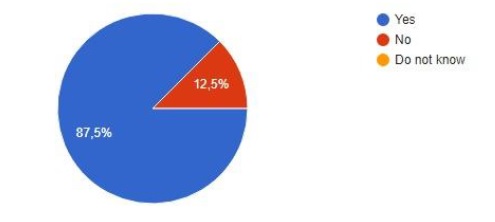
Fig.2. Can deepening of the EU-NATO security cooperation ameliorate the security situation in Eastern Europe?
As Director of the NATO Information and Documentation Centre in Ukraine Barbora Maronkova noted, after the end of the Cold War, NATO's reinforcement, especially in Eastern Europe, took place because of Russia's aggression against Ukraine, as the security of the Transatlantic region is closely linked to the security of Ukraine. As a result, NATO Allies gradually increase defense spending by 2% of GDP, and NATO ceased all kind of cooperation with the Russian Federation, keeping only a "window for dialogue". Taking Russia's cyber activity into account, NATO officially recognized the cyber space as the fifth domain of operations at the Warsaw Summit in 2016. In order to strengthen security in Eastern Europe, the Alliance is relying on deterrence of the Russian aggression, cooperation with the EU and Ukraine.
Possible Formats of the Regional Security in Eastern Europe
Together with Moldova and Georgia, Ukraine is a part of the "grey" security zone, which the West calls "in between", that is, between Europe and Russia. According to Vladislav Inozemtsev, to call these countries "in between" and not Eastern European countries is a source of great problems in the future, because this approach brings them to the area between Europe and Asia without taking into account their European integration aspirations. In order to improve the security situation in the Eastern European region, the following formats are possible.
Countries, which do not belong to any security organizations, first of all Ukraine, Georgia and Moldova, could be part of a new regional security format, but without Russia and under the umbrella of the EU and NATO. The majority of surveyed experts think that NATO should play a key role in the regional security of Eastern Europe by its expansion to the East, strengthening its role in the region, and developing a special partnership with other countries. According to respondents, the EU should also play an active security role by strengthening sanctions against Russia, reducing dependence on Russian energy resources, helping the countries of the region to strengthen national stability and counteract security challenges. Under the auspices of the EU and NATO, the current weak coordination in the region, first of all between Ukraine, Moldova and Georgia, should be intensified. The emphasis of the security cooperation between NATO and the EU should be shifted to the Eastern European region, including such mechanisms as deployment of a naval monitoring mission in the Black Sea area, based on the model of the “Sea Guardian” and “Sophia” missions in the Mediterranean, and deep cooperation of the countries of the region with the EU and NATO, based on the model of Norway, Sweden and Finland, respectively.
NATO enlargement at the expense of membership of Ukraine, Georgia and Moldova would significantly increase security in Eastern Europe but at the same time it increases the responsibility and burden of the Alliance, which is not ready for it. In 2004, according to conclusions of Senior Fellow of the Institute for Euro-Atlantic Cooperation Andreas Umland, the Baltic States joined NATO under favorable conditions when Russia was not perceived as an enemy. But in the current circumstances, many Allies do not want to annoy the Russian Federation or they even want to support partner relations with it. Therefore, the outlined at the NATO Bucharest Summit 2008 prospects for Ukraine and Georgia to join NATO are assessed as declarative.
A new security cooperation could be developed in the format of the Eastern Partnership, especially taking into account the revised in June 2017 EU Joint Staff Working Document "Eastern Partnership - 20 Deliverables for 2020", in which the section "Resilience and civilian security" was transformed into “Security” with broader security goals. However, only three of six partner countries are ready to deepen security cooperation in the region, while others are either members of the security organization under Russia's leadership - CSTO (Belarus and Armenia) or develop widespread military-technical cooperation with Russia (Azerbaijan). Therefore, it is obvious that achievement of the security objectives of the Eastern Partnership is only relevant for Ukraine, Georgia and Moldova.
The Three Seas Initiative, which currently comprises 12 EU member states, according to surveyed experts and participants in the above-mentioned international conference , could be expanded at the expense of the countries of the Eastern Partnership, especially those, which signed the Association Agreements with the EU, as well as actualization of the security sphere, which would give added values to this Initiative.
Deepening cooperation of the countries of the Eastern European transit region in the energy sector should strengthen their energy security and make a positive contribution to regional security. For this purpose, it is advisable not to agree on projects, especially Russian, which harm interests of the countries of the region, to diversify sources but not ways of energy supplies. Since the Three Seas Initiative focuses on energy and infrastructure projects, its extension to other countries can strengthen energy security throughout Eastern Europe.
Conclusions and Proposals on Improving the Security Situation in Eastern Europe
1. The security situation in the Eastern European region is generally assessed as unsatisfactory and threatened with evident signs of further deterioration if Russia continues to implement its aggressive destructive policy.
2. Despite the desire of the European Union to have a safe neighborhood, Russia is trying to regain its dominance in the region in order to strengthen its own influence on Europe and therefore, the policy of appeasing the aggressor - Russia, will further worsen the security situation in Eastern Europe and Europe as a whole. The policy of appeasement should be replaced by the policy of deterring the aggressor and forcing it to peace and return to the Helsinki world order.
3. Ukraine, as a provider of the European security, needs practical support from the EU and NATO and enhanced security cooperation with other countries of the region, primarily with Georgia and Moldova, in order to stop the Russian aggression that will restore stability in Europe.
4. In order to strengthen the security architecture in Eastern Europe, it is expedient to give the countries, which have determined their course for European and Euro-Atlantic cooperation (today - Ukraine, Georgia and Moldova), the possibility of deeper integration into NATO (at the initial stage - a status of allies without membership), and the EU in the security sphere (within the security dimension of the Eastern Partnership) that could become a new security format in the region.
5. The emphasis of security cooperation between the EU and NATO on the Eastern European region and its inclusion into joint documents and actions in this area will allow consolidating efforts to counter the aggressor and guarantee the regional security.
* * *
[1] Prepared on the results of the international conference "Regional Security in Eastern Europe. Place and Engagement of Ukraine" (November 14, 2017, Kyiv) and the survey of Ukrainian experts in October-November 2017.
[2] https://geostrategy.org.ua/ua/component/k2/item/1348-systema-regionalnoj-bezpeki
[3] https://geostrategy.org.ua/images/Survey_E%D0%95-Ukraine_Ukr.pdf
[4] http://www.kas.de/ukraine/ukr/publications/50743/
[5] https://www.youtube.com/watch?v=OnBtbCHIyAU
The policy-paper was prepared by the Centre for Global Studies Strategy XXI (51 Shchekavytska Str., off. 26, Kyiv, Ukraine, +380 44 4254162, +38 095 0859241, This email address is being protected from spambots. You need JavaScript enabled to view it.) with support of the Konrad Adenauer Stiftung Office in Ukraine (5 Bohomoltsia Akademika Str., off. 1, Kyiv, Ukraine, +380 44 4927443, This email address is being protected from spambots. You need JavaScript enabled to view it.).


